Full Art Mode

Exit Full Art Mode by clicking on Page or ESCTouch screen to exit Full Art Mode

skip
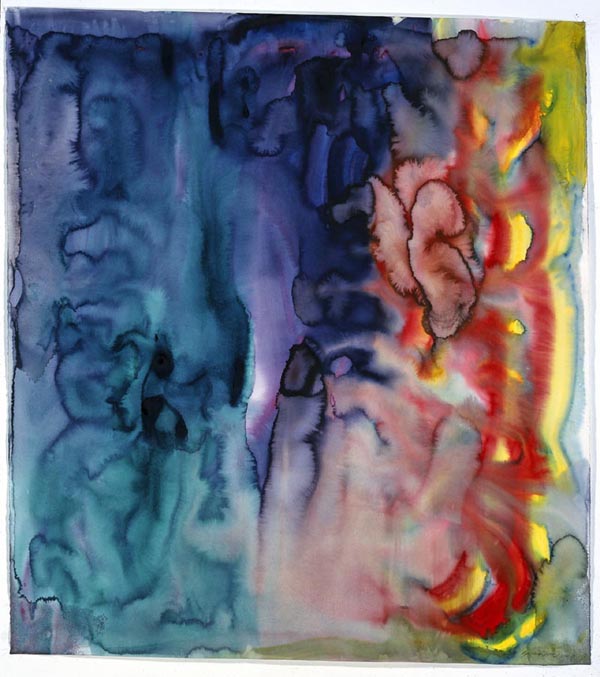
Herbert Brandl - Ohne Titel, 2000 © by the artist

review

Abstract Papers

27.03.2006 - 01.05.2006

Lorenz Estermann - Ohne Titel, 1999 © lukasfeichtner galerie, WienMartha Jungwirth - Spittelauer Lände, 1993 © Galerie SuppanSuse Krawagna - Ohne Titel, 1997 © by the artistChristof Luger - Blau 1, 2003 © by the artistTobias Pils - Ohne Titel, 2000 © by the artistJürgen Schiefer - Ohne Titel, 2005 © by the artistManfred Schluderbacher - Ohne Titel, 1999 © by the artistErich Steininger - Schattenfelder, 2003 © by the artistJosef Trattner - Salento Primitivo 2002, Cantine due Palme, Italien, 2005 © by the artistWalter Vopava - Ohne Titel, 1998 © by the artist

Abstraction is one of the essential achievements of modernism.
It provided the impetus to push the boundaries of the pictorial—up to and including the negation of painting itself. In the 1960s, for example, Ad Reinhardt created his Black Paintings. And yet, abstract painting and drawing have not lost their tension or relevance to this day. Powerful images have continued to emerge—even after the so-called "last painting." The abstract panel painting is still considered an important medium for painterly and graphic inquiry, conceptual statements, and chromatic or process-based experimentation with materials.

The selected works presented here represent a broad spectrum of non-representational contemporary art in Austria. The artistic approaches range from expressive and gestural to painterly monochrome or constructivist drawing. The images show meditative color fields, graphic script-like structures, drawings reminiscent of architectural sketches, constructivist geometric forms, or illusionistic compositions evoking landscapes.

What unites them is the use of paper as a support. Here, paper does not serve merely as a surface for sketches or drafts but is treated as an equal counterpart to canvas. Independent and compelling image solutions emerge from this approach. The often large-format works further emphasize the significance of this medium. Spanning several generations, the exhibition highlights the ongoing relevance of abstraction in contemporary art.
Martha Jungwirth, following her figurative phase within the context of the “Realities” group, has increasingly focused on non-representational painting since the 1980s.
Herbert Brandl and Walter Vopava are among the leading proponents of a painterly abstraction that emerged in the mid-1980s and has since established itself as an international visual language—the so-called “New Abstraction.” In the 1990s, artists such as Lorenz Estermann, Suse Krawagna, and Manfred Schluderbacher continued the abstraction project through painting and drawing. Gabriele Chiari is the youngest artist featured in the exhibition and addresses the theme in a distinctly conceptual manner.


EXHIBITING ARTISTS:


HERBERT BRANDL
(born 1959 in Graz, lives and works in Vienna)
Herbert Brandl paints on sheets of paper spread out on the floor. The watercolor flows into streams and pools that, during the drying process, form vibrating zones of color. These color fields create the impression of illusionistic atmospheres, faintly reminiscent of landscapes or fiery-red skies. Although Brandl grants painting a great deal of autonomy, nature plays a central role. He does not depict specific landscapes but allows memories—such as a particular light mood—to flow into the act of painting.


GABRIELE CHIARI
(born 1978 in Hallein, lives and works in Paris)
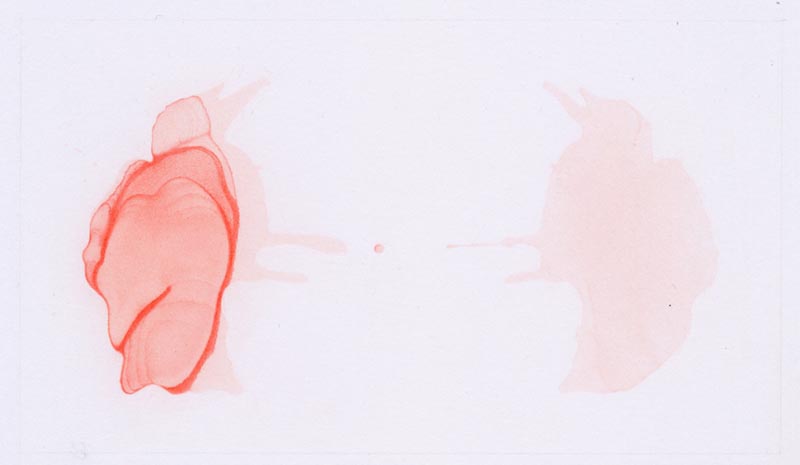
Gabriele Chiari’s painting explores the essence of uniqueness and reflective repetition. In the initial stage of her work, she pours watercolor onto the paper, allowing chance to guide the formation of the stain. In a manner reminiscent of a Rorschach test, she transfers the mirror image of the wet paint onto the right half of the sheet. Chiari then reclaims the red blotch by meticulously redrawing it with colored pencil.


LORENZ ESTERMANN
(born 1968 in Linz, lives and works in Vienna)
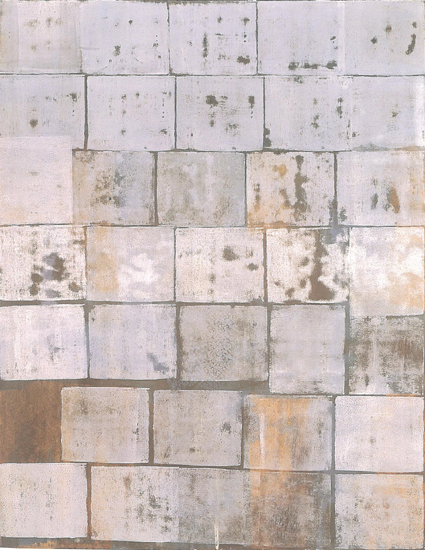
Estermann’s image is shaped by a serial arrangement of stenciled prints placed over and beside one another. Repetition and order are interrupted by shifts in rhythm and stencil position. The printed forms reveal nuanced painterly structures with tonal gradations and a velvety atmospheric quality. These rectangular shapes resemble dirty windowpanes that obscure what lies behind.


MARTHA JUNGWIRTH
(born 1940 in Vienna, lives and works in Vienna)
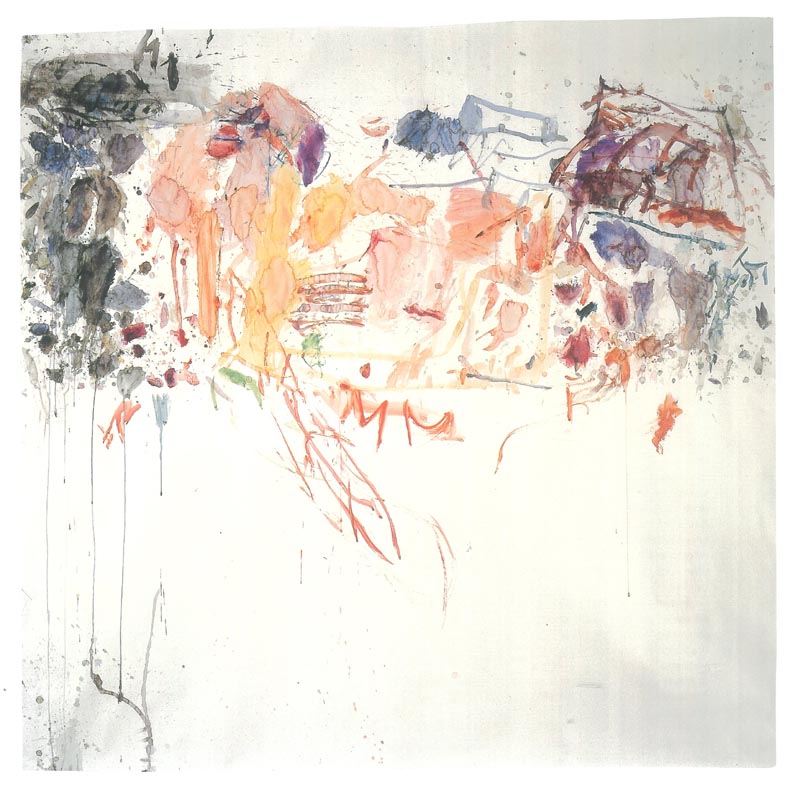
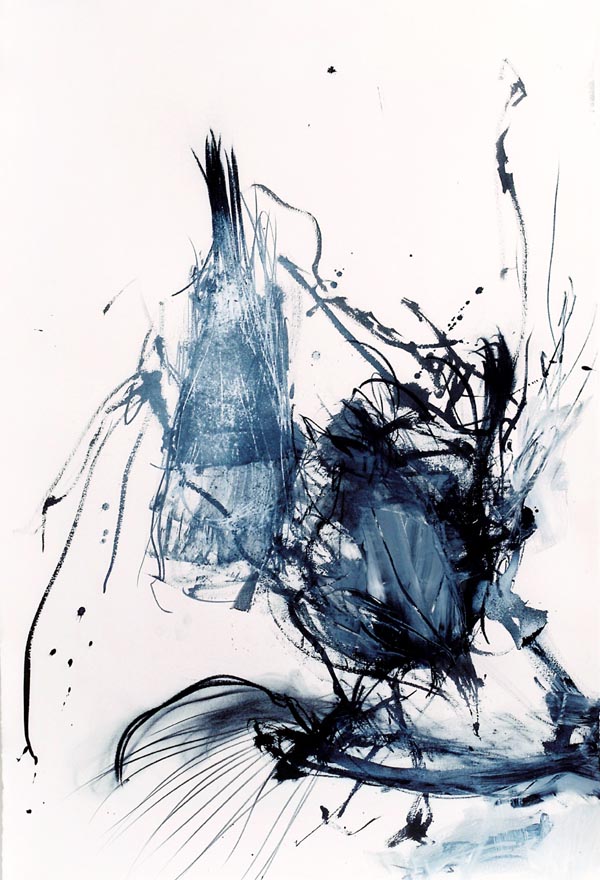
Martha Jungwirth is Austria’s grande dame of watercolor painting. She creates monumental abstractions of cityscapes, such as the Spittelauer Lände. She gives broad autonomy to her painterly means: the flow of fluid watercolor, the energetic brushstrokes resulting from intense physical expression, and the captivating brilliance of color.


SUSE KRAWAGNA
(born 1964 in Klagenfurt, lives and works in Vienna)
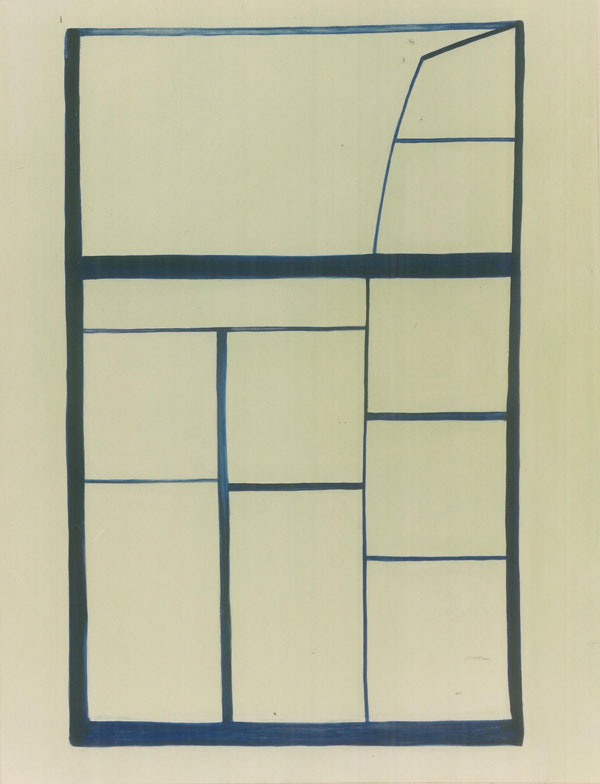
Suse Krawagna’s linear compositions may be based on everyday motifs—such as windows or stair railings—but these serve merely as a pretext for painterly drawing. Her works hover at the intersection of figuration and abstract construction. Drawing freehand on primed paper, she gives seemingly geometrically exact forms a distinct personal signature and lyrical quality.


CHRISTOPH LUGER
(born 1957 in Bregenz, lives and works in Vienna)
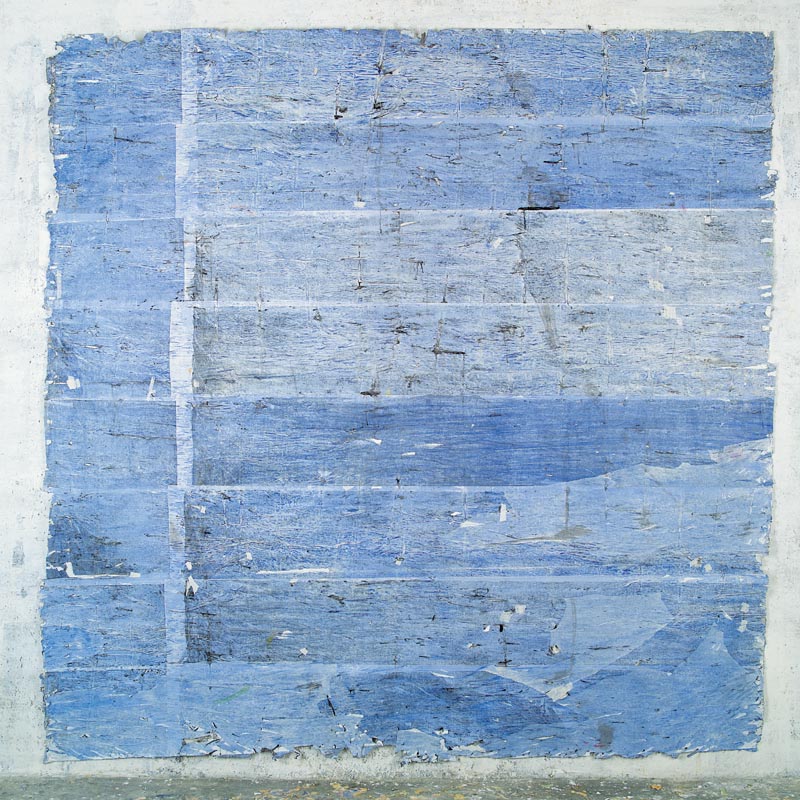
Christoph Luger fixes sheets of paper side by side onto the wall of his studio and paints them with watercolor. A powerful color field emerges, shaped by transparent painterly areas and graphic structures defined by the rough texture of the wall. After completing the painting process, Luger peels the paper from the wall and installs it in the new exhibition space.


TOBIAS PILS
(born 1971 in Linz, lives and works in Vienna)
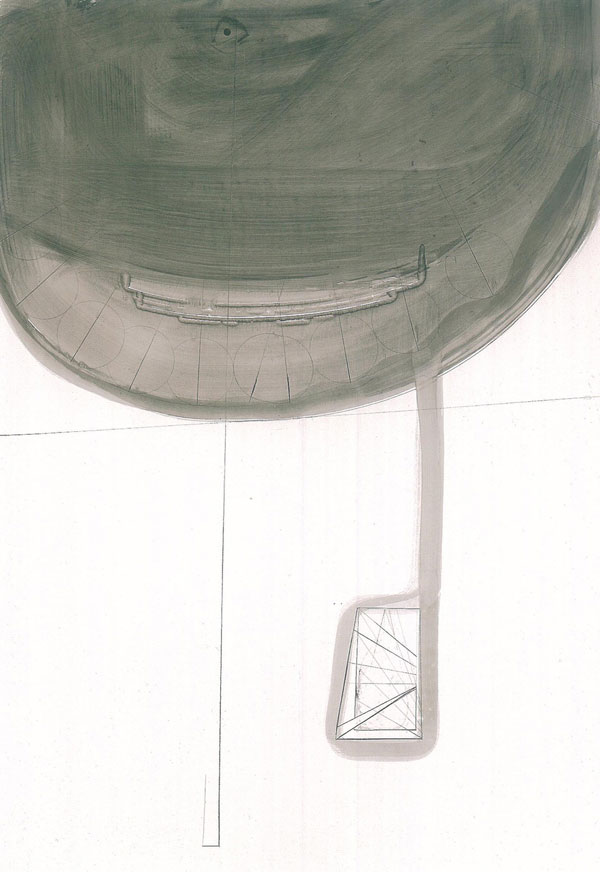
Tobias Pils’s artistic practice is based on the symbiosis of painting and drawing. Using graphite, he creates linear structures that unfold seismographically or follow a strict constructive system—evoking architectural sketches made with compass and ruler. Pils overlays these with delicate painterly zones in dark ink on white paper. He develops a personal visual language that, while referencing the visible world, adheres to internal pictorial logic.


JÜRGEN SCHIEFER
(born 1966 in Graz, lives and works in Vienna)
With intuition and spontaneity, Jürgen Schiefer sets his pencil to paper, creating dense networks of lines that branch into organic forms. Through the compositional interplay of graphic traces, a layered and dynamic web of foregrounds, backgrounds, and overlaps emerges. Despite a high degree of abstraction, the source of inspiration often lies in anatomical illustrations from internal medicine.


MANFRED SCHLUDERBACHER
(born 1964 in Bregenz, lives and works in Vienna)
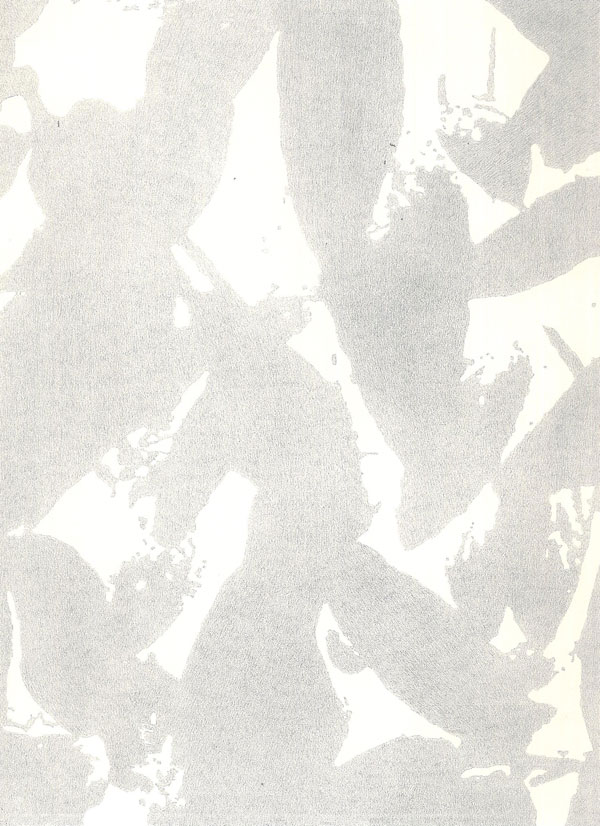
Photographic images of foliage, treetops, and flower beds form the basis of Schluderbacher’s large-scale drawings. In pencil, he translates these into a monochrome network of gray with a high degree of abstraction and flatness. With meticulous care, he fills the large areas of paper with evenly drawn pencil strokes.


ERICH STEININGER
(born 1939 in Oberrabenthan, Lower Austria, lives and works in Vienna)
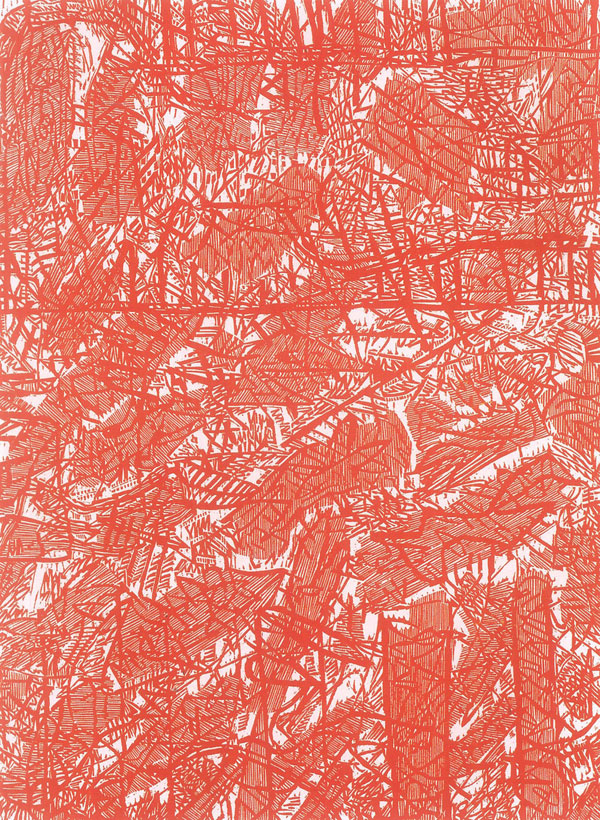
In the early 1990s, Erich Steininger developed an abstract visual language based on the structural analysis of the figure and the landscape. Torsos or furrowed fields can occasionally still be recognized. In his woodcuts, fine lines cover the surface of the image; their dense overlays create a flickering tension between foreground and background. Woodcut is Steininger’s primary medium, a status also reflected in his use of monumental formats.


JOSEF TRATTNER
(born 1955 in Semriach, Styria, lives and works in Vienna)
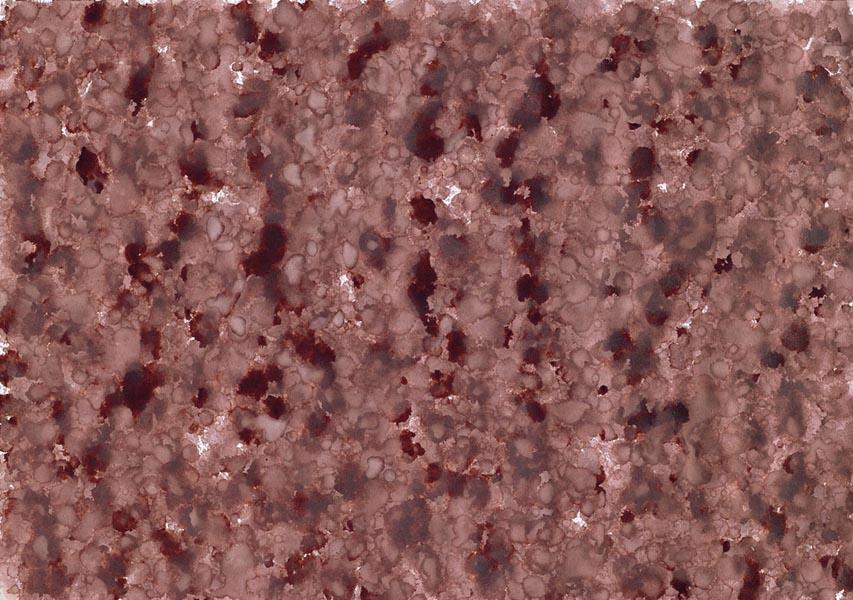
Trattner’s painting tool is a bottle; his pigment is the pressed juice of ripe red grapes from Gols, Tuscany, or Bordeaux. Gently, the artist drips wine onto white paper spread out on the floor. The wine stains spread, darken, and blend, forming a delicate rhythmic web across the surface. The saturated hues range from pale rosé to deep brown, and the painterly density gives the work a unique depth.


WALTER VOPAVA
(born 1948 in Vienna, lives and works in Vienna and Berlin)
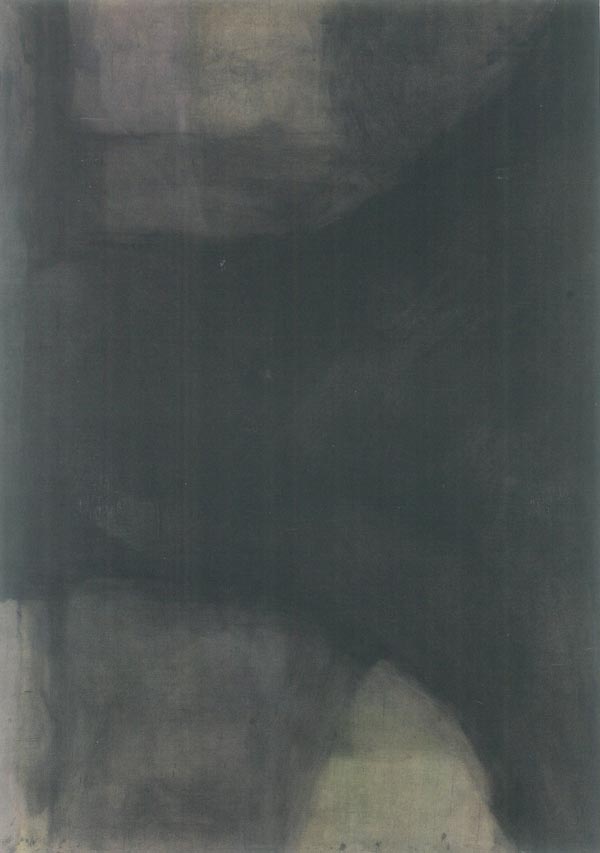
Since the mid-1990s, Walter Vopava has painted powerful black forms that dominate the composition. Monumental shapes tower in a state of flux between impenetrable mass and atmospheric lightness. His archaically dark color fields evoke associations with raging storms or fog-covered skies. Yet Vopava remains committed to non-representational art: pure painting—color, composition, space, light and dark—with no reference to the natural world. These are his guiding principles.

review

Eisler Preis 2005

The nominated for the BA-CA Art Price

18/05/2006 - 31/05/2006

previous exhibition

review

DAYSLEEPERS

ADAM ADACH, TILO BAUMGÄRTEL, FRANZ BAUMGARTNER, PETER BUSCH, BÉATRICE DREUX, MARTIN SCHNUR, TIM STONER

23/04/2005 - 29/05/2005

next exhibition